
Michael Harding
Community garden collaboration takes root on Cedar City Paiute Reservation
|
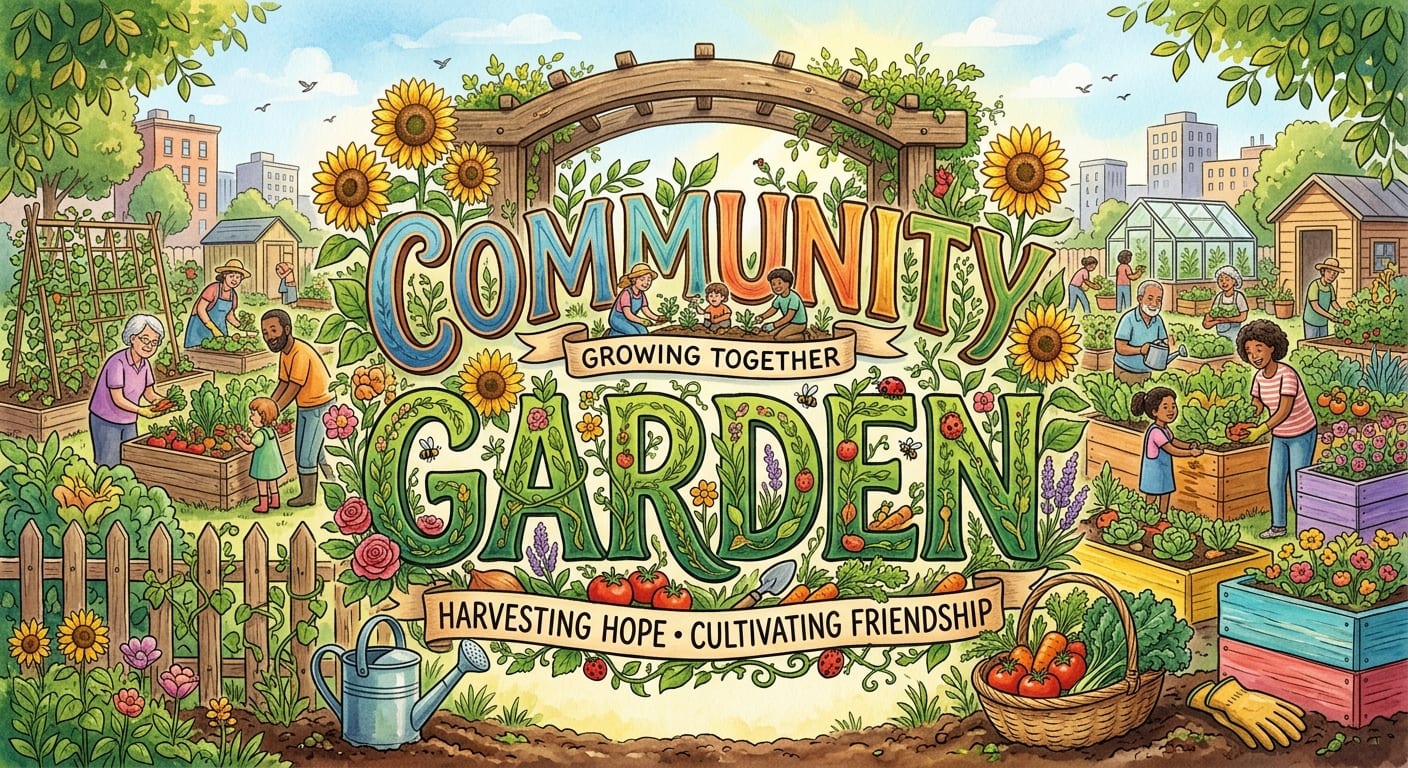
By Cedar City Ledger Staff CEDAR CITY — A new community garden is beginning to grow on the Cedar City Paiute Reservation, bringing together tribal members, Southern Utah University, local volunteers and conservation partners around a shared goal: healthier people, culturally meaningful food and a more sustainable local food system. The project is designed to be more than a collection of individual garden plots. Ben Cozzens, sustainability specialist at Southern Utah University, said he wanted the garden to emphasize cooperation rather than the typical model in which each person tends a separate parcel. “I want people to gather together doing something productive and learning about something important,” Cozzens said. Cozzens previously managed SUU’s community garden before students assumed its operation. He has also researched community-garden models in Utah and neighboring states. Based on that experience, he said gardens divided into private plots can sometimes lose the collaborative spirit implied by the term “community garden.” The new garden, roughly 35 feet by 90 feet, is being developed on tribal land in Cedar City. Volunteers have already started preparing and planting the site, which is intended to serve the tribal community while welcoming community participation and education. From idea to partnershipCozzens began surveying interest and organizing a committee in January. He initially expected development of the garden to require a lengthy planning process, but the proposal moved quickly after he presented the idea to the Paiute Indian Tribe of Utah Tribal Council in early June. The tribe already maintains a smaller garden for tribal members, with planter boxes located near an orchard. However, the facilities crew responsible for its upkeep also manages numerous other projects. The new project gained additional momentum through work already underway to create a Paiute Native Plant Center. Grand Staircase Escalante Partners, a nonprofit organization working to preserve and support the cultural and ecological future of the Grand Staircase-Escalante region, has been assisting with that effort. Tyson Fullmer, the organization’s Rocky Mountain Research Station program coordinator, said a U.S. Forest Service grant designated for the native plant center could also help support the community-garden project. With tribal support, available land and water, volunteer interest and grant funding, Fullmer said the elements needed to move forward came together. Rooted in tribal cultureKeitti Jake, environmental program coordinator for the Paiute Indian Tribe of Utah, said she welcomed the opportunity to develop the garden in a way that centers the tribe’s values, history and resources. “Every aspect is rooted and centered around the tribe,” Jake said. “Since we’re using the tribe’s resources — the land and the water — we are really focused on making sure we are respecting that.” Although volunteers will be offered produce first, Jake said many of those participating already grow food at home and appear motivated primarily by a desire to help establish a lasting resource for the tribal community. Cozzens said organizers hope to reflect Paiute culture throughout the garden, potentially through Paiute-language signage, educational programming, culturally significant crops and community events. One growing method likely to be featured is the Three Sisters planting system, which combines corn, beans and squash. In the traditional method, corn provides a structure for beans to climb; beans help add nitrogen to the soil; and broad squash leaves help shade the ground and retain moisture. Squash itself has cultural importance beyond its role as food. Jake noted that dried squash can be made into ceremonial rattles, illustrating the broader uses of plants cultivated in the garden. Seeds adapted to the regionFullmer said the garden will also provide an opportunity to introduce locally adapted heirloom food crops that have been cultivated in the region for generations. “The tribal community is interested in having locally adapted heirloom seeds for vegetables,” Fullmer said. “We’re taking food crops that have been domesticated for this area and adapted to this elevation and climate by the Southern Paiute for centuries and introducing them into the garden.” Potential crops include locally adapted corn varieties, squash and tepary beans. Tepary beans, related to pinto beans, are known for their drought tolerance and nutritional value. Organizers are also considering wild tobacco, a plant used ceremonially by Paiute, Navajo and other Native communities. Tribal elders have been invited to share ideas about plants that grow well in the area and may hold cultural, ceremonial or practical uses beyond food production. For Jake, the garden’s larger purpose is clear: strengthening the health of tribal members and helping create a more resilient food system. As the first plants take hold, organizers hope the garden will become a place where food, culture, education and community grow together. |
 |
Tip of The Day |
Take a 10-minute walk after a meal. It is a simple way to support digestion, steady post-meal blood sugar and add movement to a busy day—no gym, special equipment or major time commitment required. |
 Not your ordinary bears |
Drought-driven bear activity rises across Utah, including Iron County |
By Cedar City Ledger Staff CEDAR CITY — Utah wildlife officials are urging residents and campers to remove food sources that attract bears after bear-related calls statewide rose sharply this year, including several incidents in Southern Utah and Iron County. The Utah Division of Wildlife Resources and partnering law-enforcement agencies had responded to 168 bear issues statewide as of Aug. 25, more than double the 83 responses reported during all of 2025, according to the agency. DWR officials say the state is experiencing its highest recorded number of bears entering cities. Southern Utah has accounted for eight incidents requiring a DWR response this year. Those calls occurred in Iron, Beaver, Garfield, Kane, Sevier and Wayne counties, according to regional information reported by St. George News. Weather has reduced natural foodWildlife biologists attribute the higher number of encounters largely to weather conditions that have disrupted bears’ normal food supply. A warm spell early in the year followed by hard spring freezes damaged vegetation and crops in parts of Utah. Extreme summer heat and persistent drought further limited berries, acorns and root vegetation—foods that make up roughly 90% of a Utah black bear’s diet, according to DWR. Black bears are the only bear species living in Utah. With less food available at higher elevations, bears have been moving farther into foothills, canyons, neighborhoods and other lower-elevation locations in search of alternatives. “Even though they’re incredibly strong and surprisingly fast, black bears will typically do everything they can to avoid people,” DWR Game Mammals Coordinator Chad Wilson said in the agency’s release. “When a bear finds food, though, that can all change.” A bear that learns it can find food in trash, pet bowls, fruit trees, compost or unsecured campsites may repeatedly return to the area, creating risks for residents, visitors and the animal itself. Reduce attractants at homeDWR asks residents—particularly those living near foothills, canyon areas and the edge of town—to avoid making their property an easy food source for bears.
DWR warns that feeding bears or allowing them access to human food can cause them to lose their natural caution around people. When a bear becomes aggressive, repeatedly returns to populated areas, causes serious property damage or injures someone, wildlife officials may have to euthanize it rather than relocate it. Relocation is not always a long-term solution because bears can travel substantial distances and sometimes return to areas with people. Keep campsites bear-safeCampers, cabin users and visitors to Southern Utah’s backcountry should keep food and scented supplies secured. DWR advises storing food, coolers, toothpaste, deodorant and other scented items in a locked vehicle trunk or locked trailer—not in a tent or left on picnic tables. Campers should also take the following precautions:
A campsite that rewards a bear with food can put the next group of campers at risk, even after the original visitors have left. What to do if you see a bearDWR says a bear sighting does not automatically mean the animal is acting aggressively. A bear standing upright, grunting or making other noises may be trying to identify a sound or scent rather than preparing to attack. However, people who encounter a black bear should remain calm and take the situation seriously:
When to report a sightingResidents should contact wildlife officials immediately if a bear enters a campground, gets into food or garbage, appears inside city limits or a densely populated neighborhood, or behaves aggressively. In foothill and canyon settings, DWR asks people to report bears that are aggressive, damaging property, getting into garbage or feeding from fruit trees. A bear simply seen passing through appropriate habitat may not require an agency response.For reports in the Cedar City area during regular business hours, residents can contact the DWR Cedar City office at 435-865-6100. After hours, people should call local law enforcement, which can contact a conservation officer as needed. |
 |
Healthy Aging: Small Daily Choices That Protect Independence |
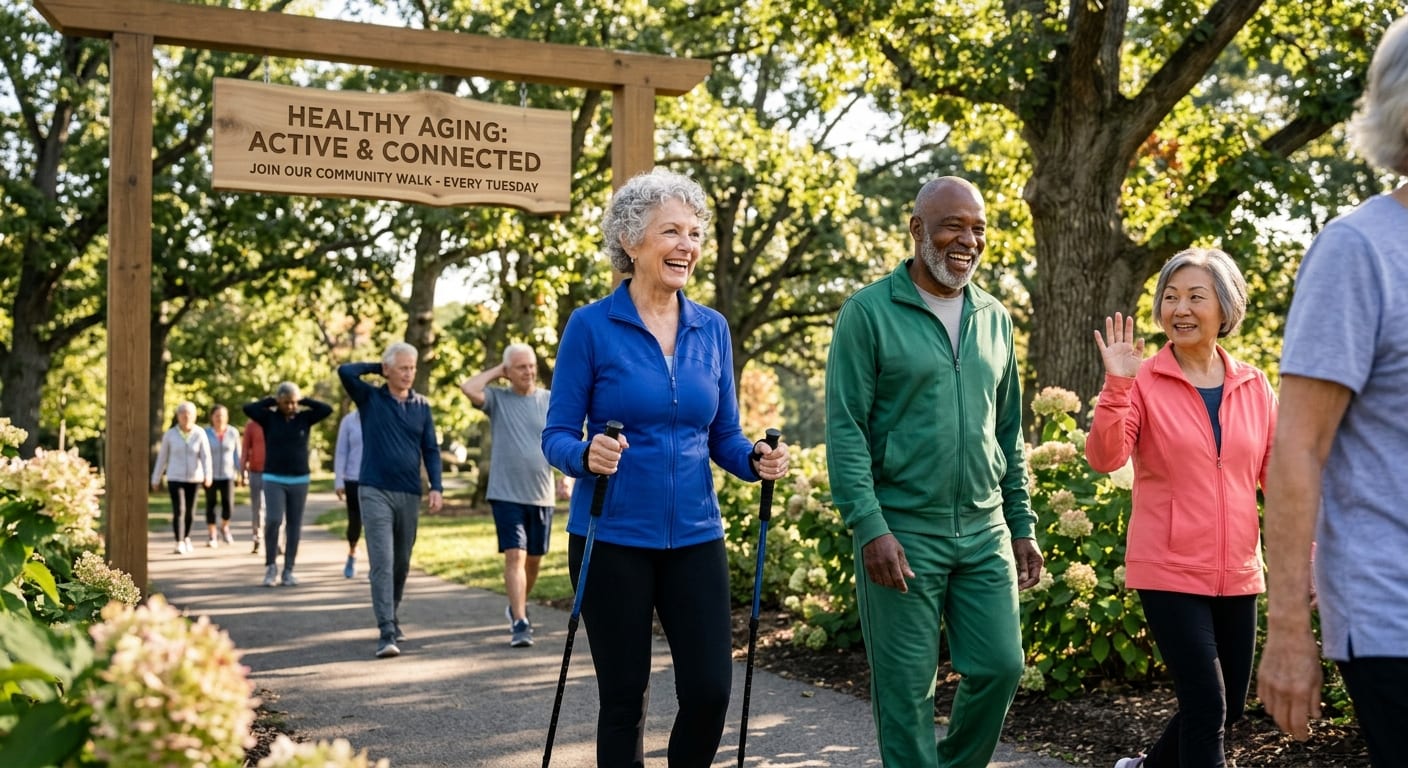
Healthy aging is not about avoiding every diagnosis or trying to turn back the clock. It is about protecting the abilities that make life satisfying and independent: moving confidently, thinking clearly, staying connected, sleeping well and continuing to do the activities that matter. For older adults, the most effective health habits are often not complicated. A few minutes of movement, a safer home environment and consistent preventive care can meaningfully support function and quality of life over time. Why healthy aging mattersThe need is growing as the U.S. population ages. Adults age 65 and older represented 17% of the population in 2020 and are projected to account for 22% by 2040. About 24.3% of noninstitutionalized adults 65 and older reported being in fair or poor health in 2024, while arthritis affected 47.8% of this age group. Chronic conditions are common with age, but they do not erase the value of prevention. National data indicate that 93% of adults 65 and older have at least one chronic health condition, and 79% have two or more. Common concerns include high blood pressure, high cholesterol, arthritis, diabetes, heart disease and depression. Falls are another major threat to independence. More than one in four adults 65 and older reports a fall each year, and a previous fall doubles the likelihood of falling again. In 2024, falls among adults 65 and older led to about 4.5 million emergency-department visits and more than 43,000 deaths in the United States. These numbers are not meant to create fear. They are a reminder that preserving strength, balance, mobility and awareness is practical preventive medicine. Two no-cost actions to start today1. Practice a five-minute strength-and-balance routineA short daily routine can help preserve leg strength, balance and confidence with everyday tasks such as getting out of a chair, climbing steps and walking on uneven ground. The CDC recommends that older adults include aerobic activity, muscle-strengthening activity and balance work in their routine; this combination improves physical function and can reduce the risk of a fall-related injury. Start with this simple routine near a sturdy counter or chair:
This should feel challenging but safe—not painful or dizzying. Anyone with recent falls, severe dizziness, chest pain, uncontrolled blood pressure, significant neuropathy or a new medical concern should discuss an individualized exercise plan with a clinician or physical therapist before beginning. The goal is consistency. Five minutes daily is more valuable than an ambitious routine that is abandoned after a few days. 2. Make one fall-risk change at homeFalls are not caused by aging alone. Many are linked to preventable hazards: poor lighting, loose rugs, cluttered walkways, slippery bathrooms or footwear without good traction. Choose one improvement today:
A single environmental change may seem small, but it can lower the chance that a momentary trip becomes a life-altering injury. Falls cause most hip-fracture emergency visits and hospitalizations among older adults, and about 319,000 older adults are hospitalized for hip fractures each year. Two health concerns to check yearly1. Blood pressure and cardiovascular riskHigh blood pressure often has no obvious symptoms, but it can increase the risk of heart disease, stroke, kidney disease and cognitive decline. The U.S. Preventive Services Task Force recommends blood-pressure screening for all adults and suggests annual screening for adults age 40 and older and people at increased risk. A high in-office reading should generally be confirmed with measurements outside the clinical setting before a diagnosis is made. At an annual visit, ask your clinician to review:
For people already diagnosed with hypertension, diabetes, heart disease or kidney disease, monitoring may need to happen more often than once a year. Follow the schedule provided by the treating clinician. 2. Bone health and fracture riskBone loss is silent until a fracture occurs. A fracture after a minor fall can reduce mobility, independence and confidence, so bone health deserves attention alongside balance and strength. The U.S. Preventive Services Task Force recommends osteoporosis screening with a bone-density test for women age 65 and older, as well as for younger postmenopausal women whose risk assessment indicates increased fracture risk. Current evidence is insufficient for the task force to make a universal screening recommendation for men, but men with risk factors—including a prior low-trauma fracture, long-term steroid use, low body weight, smoking, heavy alcohol use or conditions affecting hormone levels—should ask their clinician for an individualized fracture-risk evaluation At an annual checkup, discuss:
A practical starting pointHealthy aging works best when it is built into ordinary life rather than treated as another demanding project. Begin with two commitments for the next week:
Then schedule—or keep—an annual preventive visit to review blood pressure, medication effects, falls, fracture risk, mood, sleep and any change in function. Staying active and proactive does not guarantee perfect health, but it can substantially improve the odds of remaining capable, connected and independent for as long as possible. |
 |
21eleven Coffee House: Cedar City’s Welcoming Hub for Coffee, Connection and Community |
21eleven Coffee House and Event Center is a welcoming Cedar City gathering place that offers more than a good cup of coffee. Located at 2111 N. Main St., the locally owned shop serves locally roasted Quichapa Coffee along with handcrafted espresso drinks, teas, fruit smoothies and frappes in a relaxed, community-centered setting. The atmosphere is especially inviting for meeting a friend, catching up on work or taking a break while traveling through town. Guests can enjoy comfortable indoor seating, a large patio and a cozy fire-pit area, while the adjacent event spaces make the location useful for community meetings and private gatherings. What makes 21eleven stand out is its focus on serving Cedar City beyond the coffee counter. The business also supports a community food pantry and hosts volunteer opportunities, helping make it a meaningful local hub as well as a coffee destination. Whether you prefer a classic espresso drink, a refreshing smoothie or simply a friendly place to sit and connect, 21eleven Coffee House and Event Center is a worthwhile stop for locals and visitors alike. |
 Cedar City Events |
Local Events |
September 16, 2026 — John Reischman & The Jaybirds
September 16-19, 2026 Red Rock Film Festival The annual Red Rock Film Festival is held from Wednesday to Saturday from 1:00 pm to 11:00 pm each day location TBA (Cedar City). Passes are available at redrockfilmfestival.eventive.org/passes/buy.
Cedar Breaks Night Sky September 18, 2026. Cedar Breaks National Monument - Ranger-led Night Sky Tour beginning at 8:30 pm at the Visitor Contact Station at North View Overlook (weather permitting). The National Monument entrance fee applies ($25 per vehicle). Be an astronomer and join the rangers of Cedar Breaks to experience a night of wonder and observe astronomical features through a telescope. Reservations are required for the guided walks. Reservations and information: nps.gov/cebr or by calling (435) 986-7120. |